
Link tracking isn’t just some fancy tech jargon; it’s all about keeping tabs on those clicks. In affiliate marketing, link tracking is like having a backstage pass to your performance stats. It’s the process of using special URLs to monitor how well your clicks convert into sales. Think of it as your personal detective, following clues from your shared links all the way to customer actions.
Why bother with link tracking? Simple. It shows you what’s working and what’s not, giving you a clear view of your return on investment. Without it, you’re basically flying blind, and that’s no fun for anyone looking to boost their affiliate game.
There’s a vast ocean of link-tracking tools out there. Some are simple, offering basic tracking features, while others are loaded with advanced analytics and insights. Popular options include Bitly, Google Analytics, and ClickMeter, each serving a different need depending on your goals and tech-savvy level.
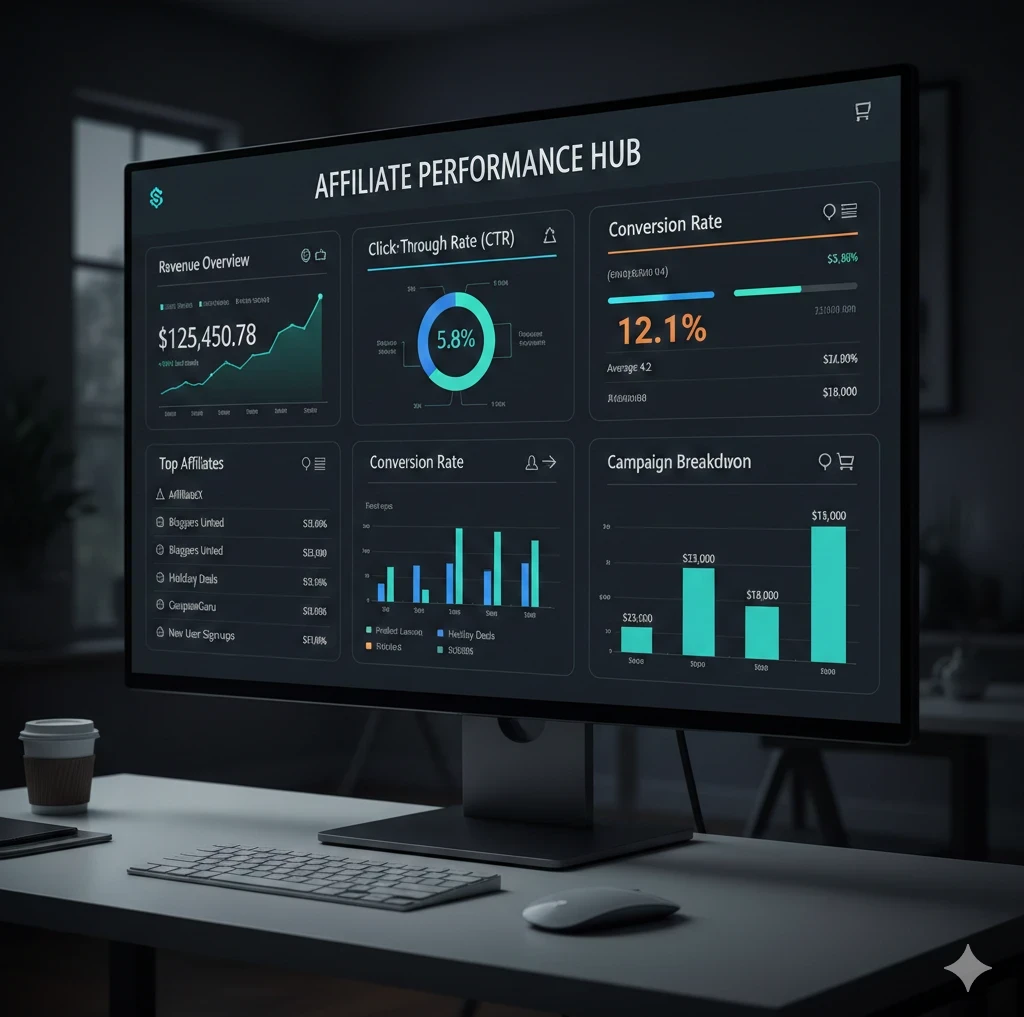
But, hey, not everything about link tracking is sunshine and rainbows. It might seem daunting at first with terms flying around like UTM codes and cookies. Yet, the real hurdle for many is managing the data and ensuring accuracy in metrics, which can lead to skewed insights if not handled correctly. Understanding the nuances and staying updated is your best bet to clear these roadblocks and keep your strategy on point.
Setting Up Your Link Tracking System Effectively
Picking the right link tracking tool isn’t just a grab-and-go situation. It requires some strategic thinking to make sure it aligns with your business needs and budget. Do a bit of homework on each tool’s features, customer support, and pricing. Whether you’re running a small personal blog or a bustling affiliate empire, there’s a tool that fits your groove.
Once you’ve got your tool in hand, it’s time to roll up your sleeves and set up those tracking links. This isn’t as daunting as it sounds. You’ll need to dive into UTM parameters, which help you track specific campaign outcomes by adding bits of information to your link. Get familiar with those terms, and you’ll find setting up tracking links is like piecing together a simple puzzle.
Looking to keep things tidy and accessible? Develop a naming convention that makes sense for you and your team. This will save you loads of time when you’re digging through piles of data. Names should be intuitive, so you don’t play the guessing game trying to remember what ‘SummerSaleLink1’ refers to.
Before you throw those links into the wild, give them a test run. A broken link or incorrect tracking setup can lead to frustrating data errors. Ensure everything works smoothly, and don’t hesitate to ask for a second set of eyes or use link validators to double-check everything before it goes live.
Leveraging Data Insights for Improved Affiliate Performance
Once your tracking system is up and running, all those clicks and conversions start to tell a story—a tale about how folks interact with your links. But reading this data can be tricky, huh? At its core, it’s about seeing which links get the love and which ones miss the mark, guiding you to tweak your strategy for better results.
Key performance indicators (KPIs) are your new best friends in this data adventure. Stuff like click-through rates, conversion rates, and bounce rates provide a snapshot of how different campaigns perform. By focusing on these numbers, you can pin down what’s driving sales and what’s just sort of hanging out doing nothing.
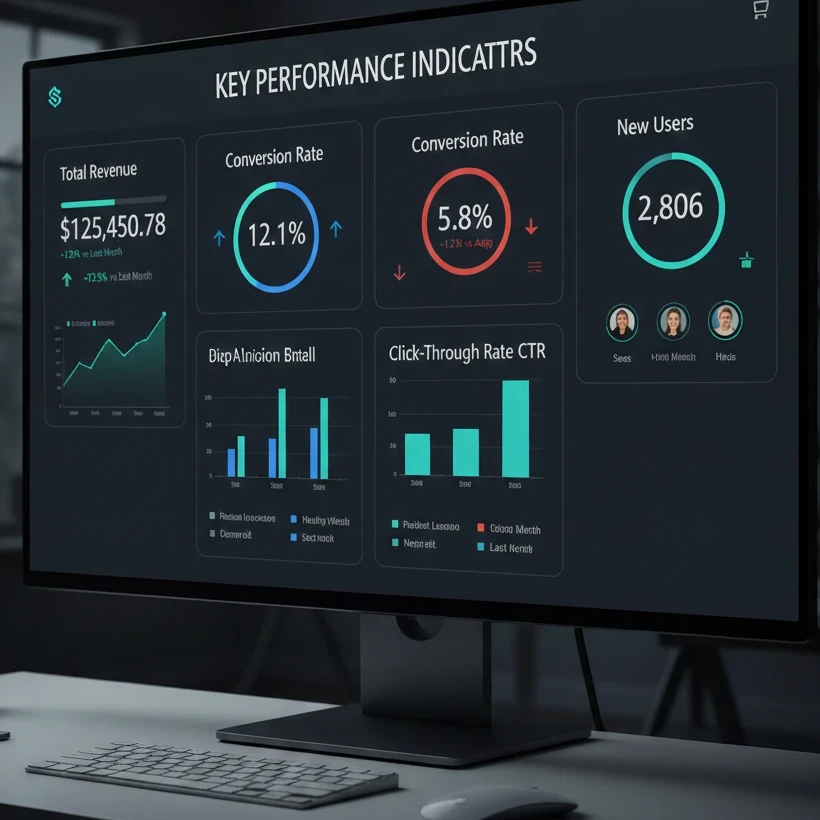
There’s magic in numbers, especially when applied to real-life scenarios. Check out businesses that shared their stories on how they supercharged their affiliate strategies using link tracking insights. It’s often about finding that sweet spot in targeting the right audience or optimizing landing pages that truly connect with visitors.
So, what do you do with all these insights? It’s time to get down to action. Start by tweaking underperforming campaigns based on your newly gleaned knowledge. Trying A/B testing for different strategies could illuminate better paths forward. And don’t forget to share findings with your team, soliciting feedback that might reveal angles you hadn’t considered.